Rise to Wellness began developing its curriculum in 2022 and incorporated as a 501(c)(3) in Boston in 2023. We are a team of clinicians, educators, researchers, and operators building a curriculum we wish had existed when we were children.
Looking back on our own lives, we can all see things we might have done differently. "If I had known that then, my life would look so different." We can give children what we wished we'd had for ourselves.
Most of the skills that protect people's mental health, managing anger, setting boundaries, communicating what you need, bouncing back from setbacks, are things nobody ever explicitly teaches you. You figure them out by trial and error, or you don't figure them out at all. What if we taught children those skills the same way we teach them math? Every day, in the classroom, with practice?
That question became Rise to Wellness. We started building the curriculum in 2022. Three and a half years later, half of it is drafted, two modules are being prepared for academic peer review, and we have a school in Pakistan that's agreed to implement it. Pakistan is our proof of concept. Once a curriculum and its assessment battery are validated in one non-English-speaking country, the model replicates: find a local university partner, translate, validate, deploy. That's how we get to every country.
Through evidence-based mental health education that's free for every school and every child.
Where emotional regulation, healthy communication, and resilience are taught as core curriculum, alongside reading and math.
We measure what we do. We don't claim outcomes we haven't earned. We build for decades, not news cycles.
We're a young organization. Rather than dress up the numbers, here's exactly what three and a half years of work has produced.
Controlling Your Own Emotions, Building Relationships, and General Happiness, covering 22 of the 31 total skills.
Controlling Your Own Emotions and Building Relationships are being readied for outside review by researchers in child development and clinical psychology.
Twelve validated scales mapped to a day-by-day administration schedule for ages 8–18, with built-in distress-response protocols.
In August 2023, Hope, an NGO running schools and hospitals across Pakistan, agreed to implement the curriculum at their Zia Colony school in Karachi once it's complete.
Identified anchor partners for Urdu translation and validation of eleven assessment scales, including PILL and the University of Punjab's Institute of Applied Psychology.
Incorporated in Massachusetts; EIN 93-3363823; bookkeeping, governance, and donation infrastructure in place.
About a year into developing the curriculum, we wanted to know: would a school actually agree to teach it? Not in theory. For real, as part of their daily schedule, at no cost to them.
From the U.S., Sora connected with Hope, a nonprofit that runs schools and hospitals across Pakistan serving low-income communities. After several conversations with Hope's U.S.-based team, he arranged to visit their facilities in Karachi over two days. But the school partnership wasn't guaranteed yet, so in August 2023, Sora traveled to Karachi to find a school willing to partner with Rise to Wellness. He spent the first days on the ground physically walking through Karachi, going into educational facilities, asking whether they'd be willing to implement their mental health curriculum for free.
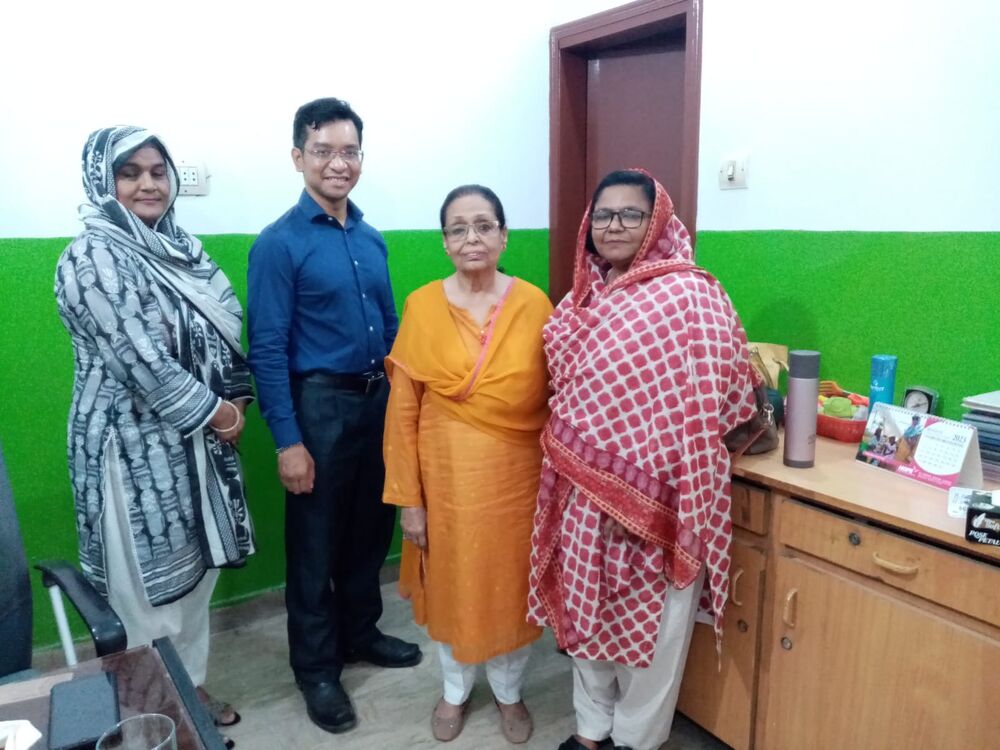
Then he visited Hope's school at Zia Colony and met with their chairperson at her office in Karachi. Within the first few minutes of that meeting, she agreed: Hope would implement the World Mental Health Curriculum at their school once the curriculum is complete.
Within two days, we had a partner school. Now we need to finish what we promised them.
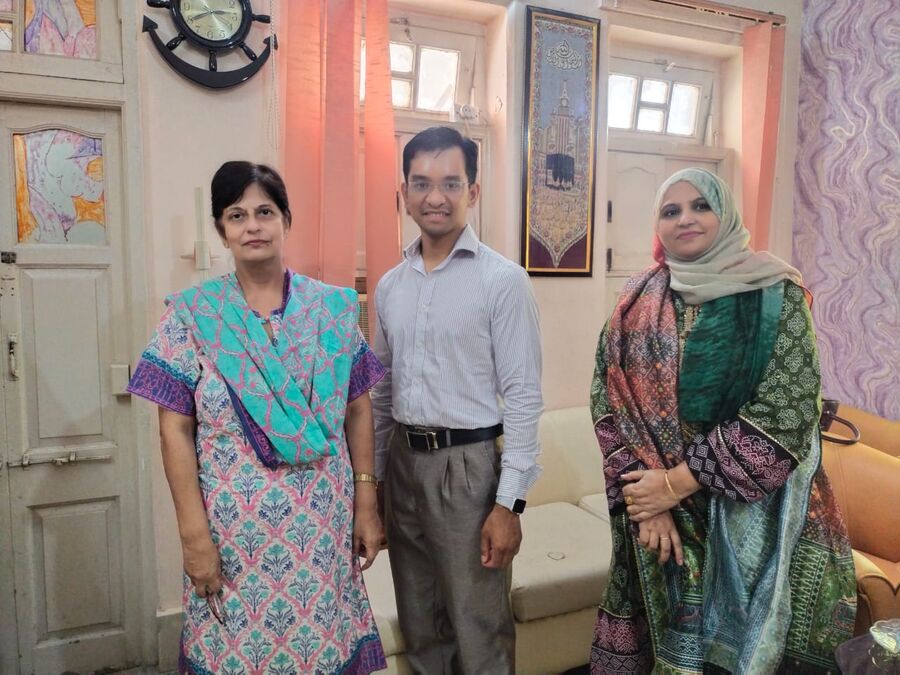
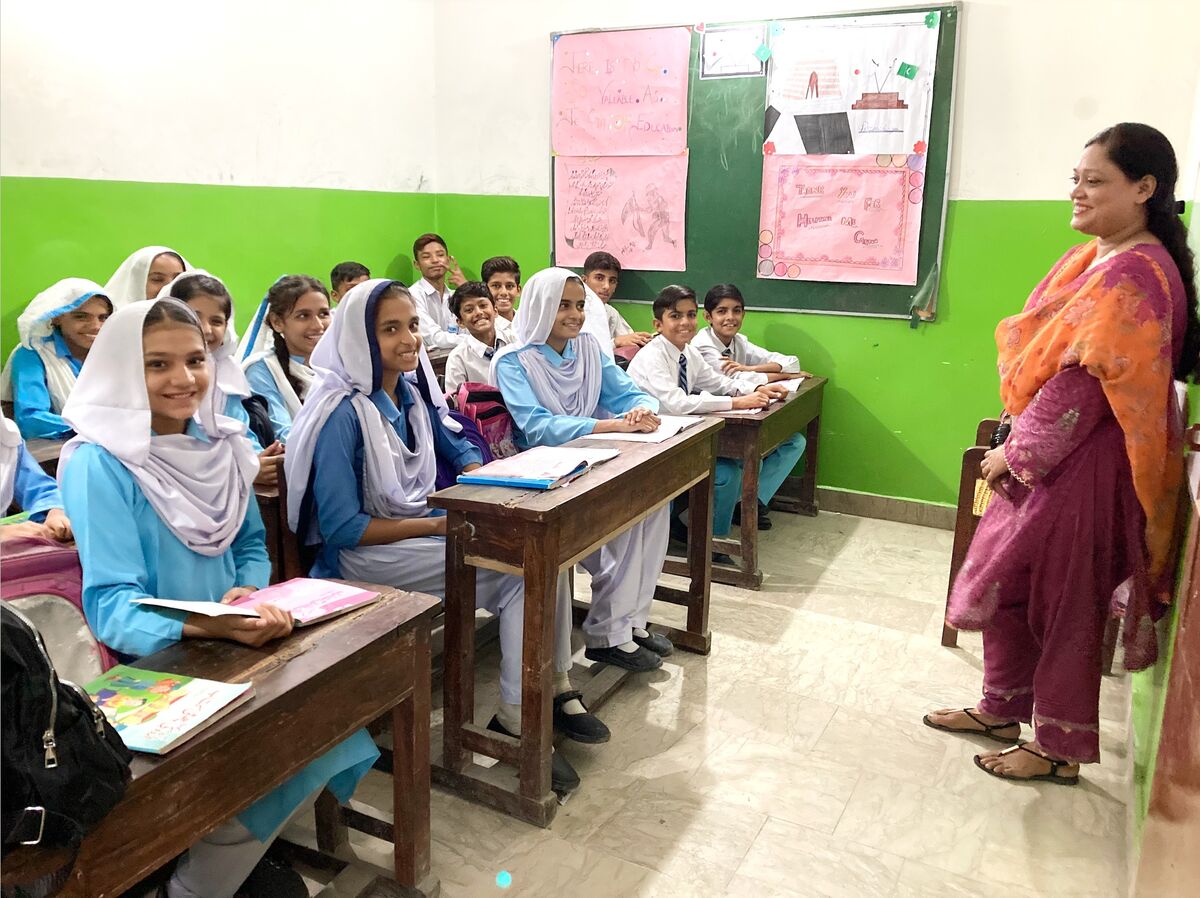
Left: Sora meeting with the chairperson of Hope at her office in Karachi. Right: Sora with educators at Hope's school.
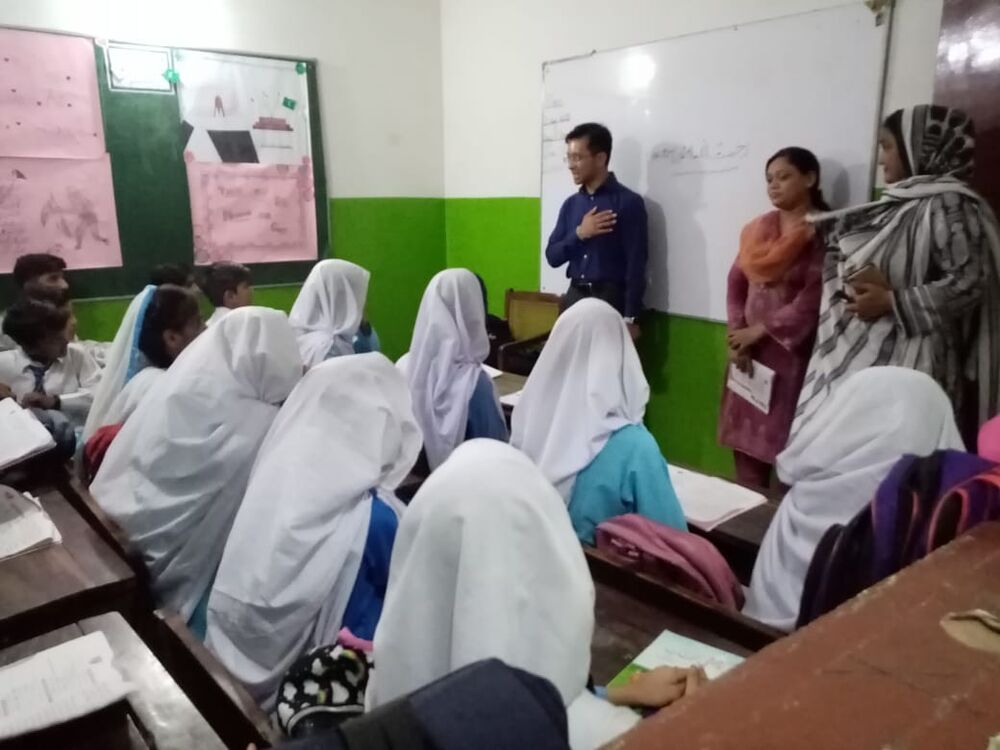
Classrooms at Hope's school in Zia Colony, Karachi, where the curriculum will be implemented.
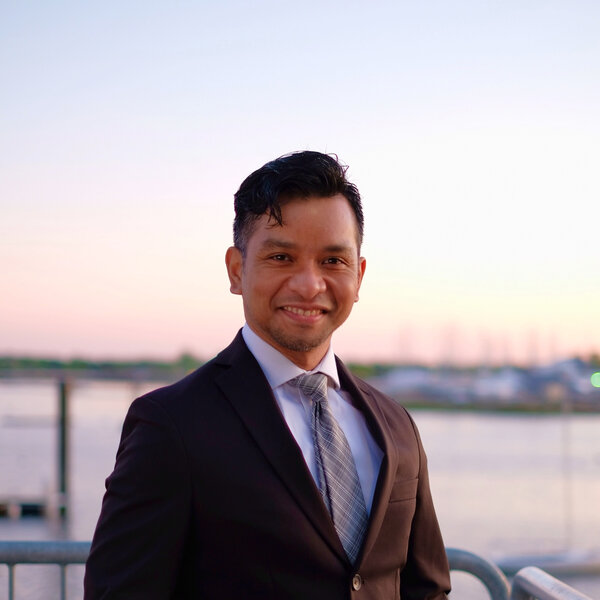
Sora founded Rise to Wellness and serves as Executive Director on a volunteer basis, building the organization alongside his career. The clinical, behavioral, and operational team are dedicated paid staff. We engage trusted educators and researchers on a project basis as needed.

Sora is the vision behind Rise to Wellness. He recognized that the way a person handles life events directly shapes their mental health, and that the underlying skills can be taught. He brings over a decade of accounting and operations experience from Boston to the work of building the organization. For the past 3.5 years, he has built Rise to Wellness alongside a full-time accounting career, treating it as a daily commitment.

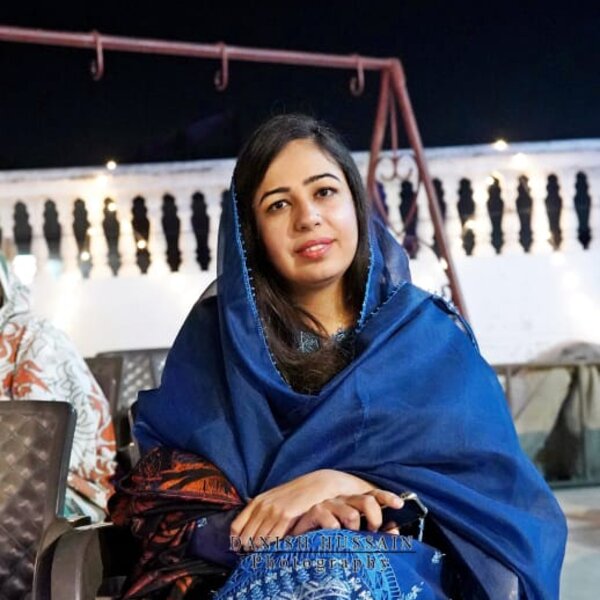
Ribaha is a Clinical Psychologist with experience as a therapist, child psychologist, and school counselor. A member of the American Psychological Association, she has presented her research at international conferences. Ribaha is a member of the Pakistan Association of Clinical Psychologists. Her work spans assessment, diagnosis, and treatment of mental, emotional, and behavioral concerns in children.

Sunnia holds a Master's in Behavioural Sciences and brings over eight years of experience as a senior behavioral therapist in Pakistan. Sunnia Khan is a member of the Pakistan Psychological Association. She specializes in ADHD, learning disabilities, and neurodevelopmental disorders, and has served as supervisor and program director at educational institutions across Pakistan. She is also a certified Autism Specialist.

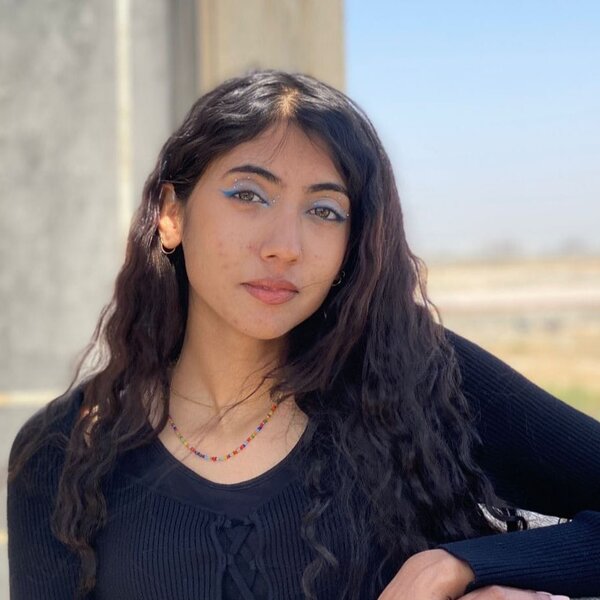
Imama is an arts student with a strong interest in mental wellbeing. She supports the founder with day-to-day operations and behind-the-scenes coordination, helping the organization continue creating real impact in the lives of those it serves.

Farah runs an educational facility in Hyderabad, Pakistan with her family. She is currently pursuing her PhD in Education and brings practical insight into delivering programs in a Pakistani classroom context.

Farrukh is currently pursuing a PhD in Psychology with research focused on mental health, psychosocial wellbeing, and evidence-based wellness practices. She has nine published papers and brings extensive experience in academic teaching, research supervision, and psychotherapy.
Our first confirmed school partnership is with Hope in Karachi. We are also reaching out to academic and community partners across the U.S. and Pakistan for translation, peer review, and future deployment.
Agreed in August 2023 to implement the curriculum once complete. Hope runs schools and hospitals across Pakistan serving low-income communities.
NGO with a dedicated psychological assessment translation pipeline operating in all four Pakistani provinces.
Has supervised 27+ Urdu translation theses; potential pathway for co-authored MPhil student work.
Dr. Richard Lerner's positive youth development center; world-leading child development research, located locally.
Multiple relevant Boston-based centers spanning culturally responsive youth mental health and bullying prevention.
Already running school-based mental health programs in Pakistan; led the WHO EASE cluster RCT in Pakistani public schools.
Dr. Marc Brackett's RULER program is implemented in 5,000+ schools worldwide, a model for the kind of scale we're building toward.
Whether that's a donation, an introduction to a school or community center, or expertise we don't yet have on the team, we want to hear from you.
Get in touch →